Daylight changes dramatically in Reykjavík. December days can be close to four hours long, while June and July have bright nights and extended twilight. Knowing the rhythm helps you plan tours, driving and photography.
Approximate times at the start of each month
| Month | Sunrise | Sunset |
|---|---|---|
| January | 11:19 | 15:44 |
| February | 10:09 | 17:14 |
| March | 08:36 | 18:45 |
| April | 06:47 | 20:18 |
| May | 05:01 | 21:51 |
| June | 03:24 | 23:29 |
| July | 03:06 | 23:57 |
| August | 04:34 | 22:31 |
| September | 06:09 | 20:44 |
| October | 07:35 | 18:58 |
| November | 09:11 | 17:11 |
| December | 10:45 | 15:47 |
These are planning estimates, not exact daily forecasts. Sunrise and sunset move quickly in spring and autumn, so check the exact date before a time-sensitive activity.
Summer: long days and bright nights
From late May into July, twilight continues through the night. This gives generous time for sightseeing, but a sleep mask can be useful. The Midnight Sun does not mean the sun stays visibly above the horizon every night in Reykjavík; it means darkness never fully develops.
Winter: make the middle of the day count
In November, December and January, schedule outdoor scenery during daylight. Museums, pools and restaurants work well before sunrise or after sunset. Low winter light can be beautiful, but weather may reduce visibility.
Northern Lights and daylight
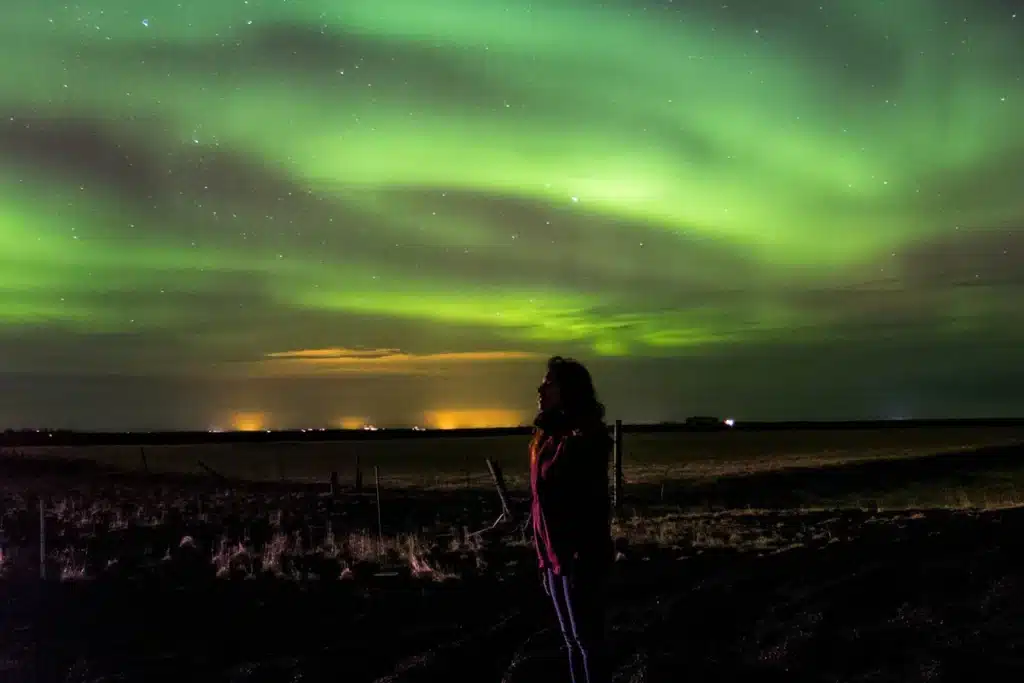
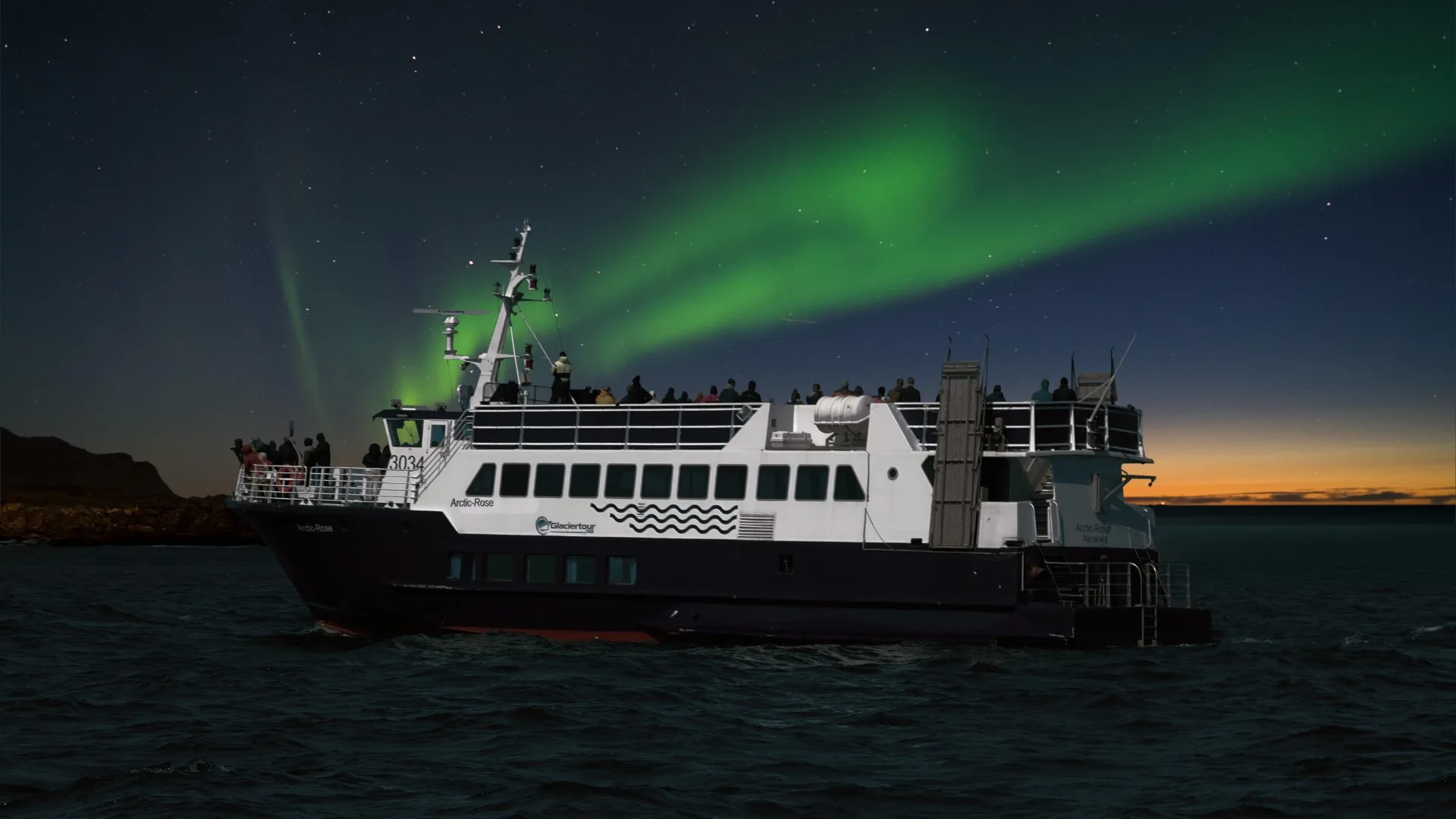
Aurora viewing requires darkness, which is why tours normally run from late August into April. Darkness alone is not enough: cloud cover and aurora activity still determine what you see.
Use daylight as one part of a flexible plan, especially if you are driving beyond Reykjavík.

Expert guide and marine enthusiast at Iceland Discover.